━ Life Skills Training · Bengaluru
Training On Life Skills In Bangalore
Build The Skills That Matter Beyond The Classroom
Value Lanes delivers experiential life skills programmes that help students, campus hires and young professionals practise communication, adaptability, decision-making and teamwork in real-world situations.
22+ yrs
Facilitation experience
2.5L+
Participants trained
300+
Clients served
30+
Facilitated activities
01 / Why it matters
Which Life Skills Actually Transfer To The Workplace?
Life skills become valuable when people can apply them when situations change, decisions need to be made or communication breaks down. For students and young professionals, that means being able to express ideas clearly, work with different people, adapt to new situations and make considered decisions.
Value Lanes approaches life skills through experiential learning, giving participants opportunities to practise these behaviours rather than simply listen to a presentation about them. Activities, challenges and guided reflection create situations where participants can observe how they respond and identify areas they can improve.
For a campus hire entering the workplace, these capabilities can support the transition from academic environments to professional expectations. For students, they provide a foundation that can be developed further through education, internships and future work experiences.

Practised, not lectured
Activities create the situation, and the debrief turns the experience into a skill participants can recognise in themselves.
02 / Curriculum
What Does Life Skills Training Cover?
The curriculum can focus on practical capabilities that participants need in academic, professional and everyday situations.
01
Communication And Interpersonal Skills
Participants practise expressing ideas, listening to others and working through differences in a group. These skills become particularly important when moving into environments where collaboration is part of everyday work.
02
Decision-Making And Problem-Solving
Real situations rarely provide unlimited time or perfect information. Structured activities can give participants opportunities to assess a situation, consider options and make decisions as a team.
03
Adaptability And Resilience
Students and young professionals regularly encounter new environments, changing expectations and unfamiliar responsibilities. Experiential challenges can help participants recognise how they respond to change and setbacks.
04
Teamwork And Responsibility
Working towards a shared objective requires participants to communicate, take responsibility for their role and understand how individual actions affect the wider group.
03 / The approach
Why Experiential Learning Works For Life Skills
A classroom can explain what effective communication or decision-making looks like. An activity creates a situation in which participants actually have to communicate or make a decision.
That difference is central to the Value Lanes approach.
Participants are given a challenge, work through it and then reflect on what happened. A facilitator can use the debrief to help the group examine questions such as:
A facilitator uses the debrief to ask:
01
How did the team make its decision?
02
Were responsibilities clearly divided?
03
Did everyone have an opportunity to contribute?
04
What happened when the first approach didn’t work?
05
How could the same behaviour affect a workplace situation?
The objective isn’t to make every activity feel like a test. It’s to create enough practical context for participants to recognise their own behaviours and think about how they can apply the learning elsewhere.
04 / Who it's for
Life Skills Programmes For Students And Young Professionals
Different participant groups need different applications of the same core skills.
Students
Students can use life skills training to strengthen communication, teamwork, problem-solving and decision-making alongside their academic learning.
Value Lanes can also connect this development with its leadership camps for schools, where experiential activities can be used in a structured learning environment.
Campus Hires And Freshers
For graduates entering their first professional role, the transition can involve new expectations around communication, teamwork, accountability and workplace behaviour.
A life skills programme can complement campus to corporate training by giving freshers opportunities to practise these behaviours rather than only learning about them through an induction presentation.
Young Professionals
Early-career professionals often need to work across teams, communicate with different stakeholders and respond to changing priorities. Practical life skills development can support these everyday workplace demands.
05 / Delivery
How The Value Lanes Programme Is Delivered
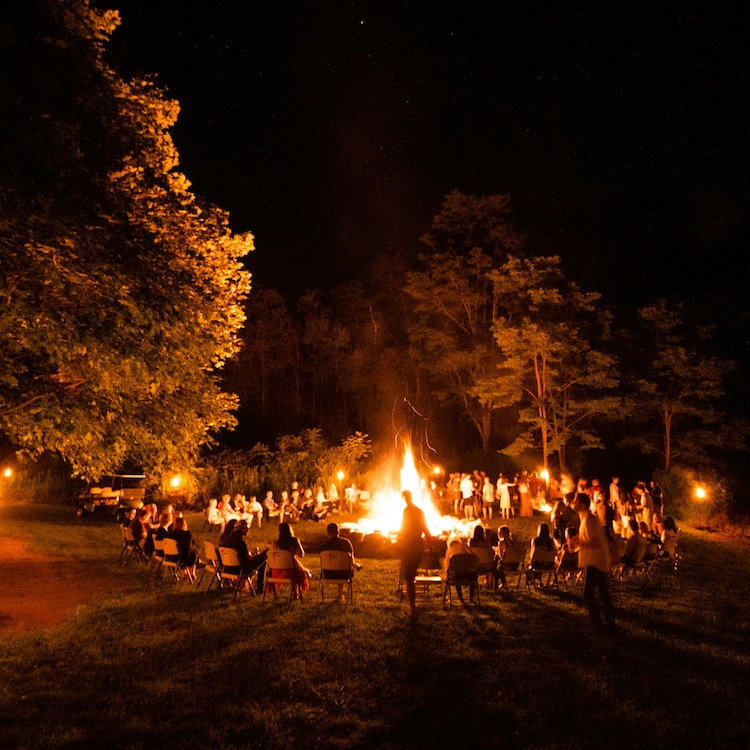
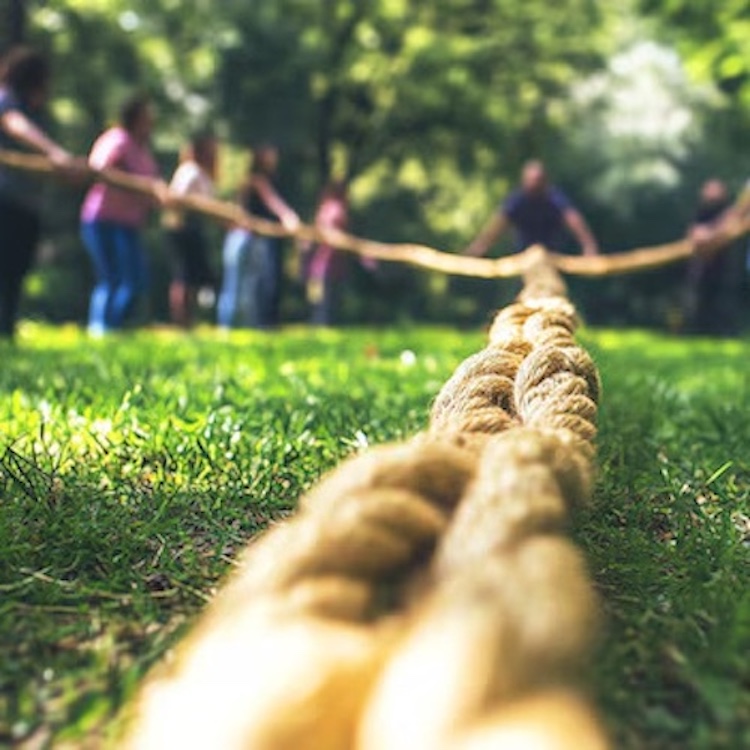
Value Lanes uses facilitated outdoor and experiential activities to create situations where participants need to work together.
The programme can follow a simple learning cycle:
Experience
Observe
Reflect
Apply
Participants first experience the challenge. Facilitators then observe how individuals and teams respond. The debrief creates space to reflect on the behaviours displayed during the activity. Finally, participants consider how the learning can be applied beyond the programme.
This keeps the focus on People · Process · Performance, rather than treating life skills as a collection of motivational talks.

The focus stays on
People · Process · Performance
Rather than treating life skills as a collection of motivational talks.
06 / Choosing a partner
Choose The Right Life Skills Training Partner
Before selecting a provider, institutions and organisations should look beyond the programme title.
01
Check The Learning Method
02
Check Whether The Programme Fits The Audience


Look At Facilitator Experience
03
Ask How Learning Is Evaluated
04
Why Organisations Choose Value Lanes
Value Lanes brings more than two decades of experience in experiential learning and facilitation, with 22+ years of experience, 2.5 lakh+ participants trained, 300+ clients served and 30+ facilitated activities.
Its programmes are built around practical participation rather than treating development as a purely classroom exercise.
For institutions working with students, campus hires or young professionals, that provides a way to place communication, teamwork, decision-making and adaptability into practical situations where participants can experience them directly.

Get started
Plan A Life Skills Programme With Value Lanes
Life skills development is most useful when participants can connect it to situations they actually face. For students, that can mean preparing for greater independence and future professional environments. For campus hires, it can mean strengthening the behaviours needed during the transition into work.
Value Lanes can structure an experiential programme around the participant group, development objectives and preferred format.
Build Life Skills That Last
Beyond The Classroom
Share your participant group, objectives and preferred format. Value Lanes will recommend a structured life skills programme.



Client




07 / FAQs
Frequently Asked Questions About Life Skills Training
Who can attend life skills training?
The programme can be designed for students, campus hires, freshers and young professionals. The activities and level of facilitation can be aligned with the participants' age, experience and learning objectives.
What skills are covered in life skills training?
The programme can focus on practical skills such as communication, teamwork, adaptability, decision-making and problem-solving, with the emphasis placed on applying these behaviours through activities.
Is life skills training only useful for students?
No. Life skills are relevant across different stages of development. For young professionals and campus hires, the focus can be connected more directly to workplace communication, collaboration, decision-making and adaptability.
Can life skills training be included in an existing programme?
Yes. Life skills development can be positioned as a standalone programme or integrated into relevant learning initiatives. For freshers, it can complement campus to corporate training; for students, it can complement leadership camps for schools.
How long does a life skills programme take?
The duration should depend on the participant group, learning objectives and programme format. A focused workshop and a broader experiential programme would require different amounts of time.
How Is Life Skills Learning Made Practical?
Participants work through structured activities and challenges, followed by facilitator-led reflection. This allows them to examine their communication, decision-making, teamwork and responses to changing situations rather than only discussing these skills theoretically.